TAA @ 10: Aurora Guerrero on Community
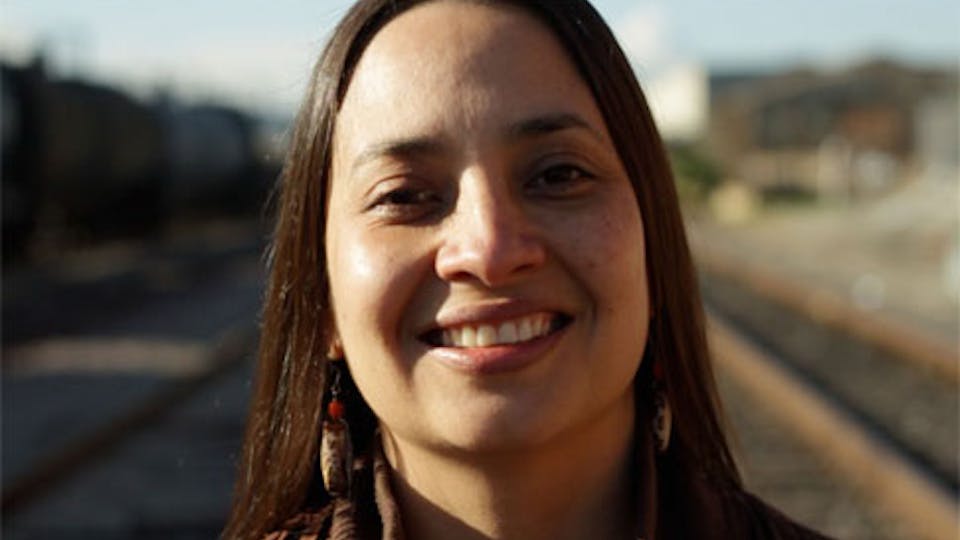
The opening of this year’s submission season marks Tribeca All Access’® tenth anniversary. To commemorate this milestone, we’ve asked TAA grantees to share some of their biggest career influences.
To kick off the series, we talked to Aurora Guerrero (TAA 2006) — whose debut feature film Mosquita y Mari world premiered at Sundance and recently had its theatrical run in New York City — about how her community helped launch her film career.
Your successful $80,000 fundraising campaign with Kickstarter helped you bring Mosquita y Mari to the screen. Outside of raising money, what was another goal you hoped to achieve with the campaign?
To always to be as transparent as possible about who was behind the making of this film and the reasons why we were telling this story. We hoped our audiences would walk away with an opportunity to experience something new, yet familiar. I think this honesty really spoke to many people. It was refreshing for people so I think our donors felt like they were taking part in something they truly believed in. That was really important to me. I didn't want this film to feel far from people, especially those who identified with the worlds I was bring to the screen. I wanted Mosquita y Mari to feel accessible, not just as a story but through the process of making it as well. And as we moved forward that feeling of “this belongs to all of us” set a tone for the film that's made it the surprise hit it's been.
When we met our Kickstarter goal we immediately focused on making the best film we could with the means we had. We knew that if we had a product that showed great potential then chances were high we would find funding to get us through the next phase of making this film: post-production. In our case, this strategy worked. We were given numerous film grants that pushed us through to a finished film and ready for our premiere at Sundance.
You’ve really engaged the community of Huntington Park, where the film was shot. Was this holistic approach a part of your vision?
Yes, absolutely. I approached a Huntington Park community organization, Communities For A Better Environment, four years before any of the funding had come through. Our discussions centered on how this film could engage the community in a positive ways. I never wanted to just show up, shoot the film, then disappear. That's not what I believe in. The process of making a film is just as important as the film itself. Out of this collaboration we set up a youth mentorship program during production as well as free screenings of the film for its community members. I think we succeeded in creating a film that the community of HP feels they had a hand in making.
What kind of learning experiences will you carry from this film into your second feature?
I really walked away with a sense of fulfillment after making Mosquita y Mari. A lot of what I imagined I was able to put into effect and it really was amazing. I think I would continue to make films in partnership with communities I'm writing stories about. I also hope to continue to have unconditional funders. It gives me so much free range as an artist and I have so much more to give.
I was really blessed to have a handful of mentors guiding me through this first film. Jim McKay and Simone Ling were amazing writing mentors. Jim in particular worked with me for many years guiding me through the birth of my voice as a writer. Then there was Patricia Cardoso and Peter Bratt who opened their doors as directors and allowed me to watch them work and participate in their creative process. There is Bird Runningwater Director of the Sundance Native American and Indigenous Program at the Sundance Institute. I call him my “doula.” He was my coach, helping me breathe through the making of this film. I couldn't have done it without his constant support.
Have you seen a shift in the types of stories being told in the indie film community?
There's always shifts in the types of stories coming out of the indie community. I think it's what keeps audiences coming back for more. This is where they discover interesting filmmakers and often learn new things about themselves and the world they share with others. I think I belong to a new wave of filmmakers, particularly filmmakers of color. We're telling stories that are challenging what it means to tell a “Chicana story or a queer story.” I think we're expanding that notion. I hope it's actually busting it wide open so filmmakers like myself don't feel like they have to tell a certain type of story because they identify a certain way.
After the experience of successfully making your first feature, what advice can you give to emerging filmmakers?
I think it's important to remain open to different ways one can make a film happen. Kickstarter wasn't around 3 years ago so I had no idea that would be the way this film would get made. I think times are changing super quick and we have to engage what's being presented to us. Be open-minded and keep the faith. I waited 7 years to make my film. It's not to say that's how long it will take you to make it. I'm just saying don't get caught up in the idea that you have to deliver within a certain time. Spend your energy on telling a great story and growing as a filmmaker.
I have a feature film I'm currently writing. I hope it will be my second feature. All I can say is that it will again center the invisible. And I'm also excited about a TV pilot I'm going to be co-writing with a fellow Latino filmmaker whom I respect tremendously. It's going to be a political comedy set in Arizona.
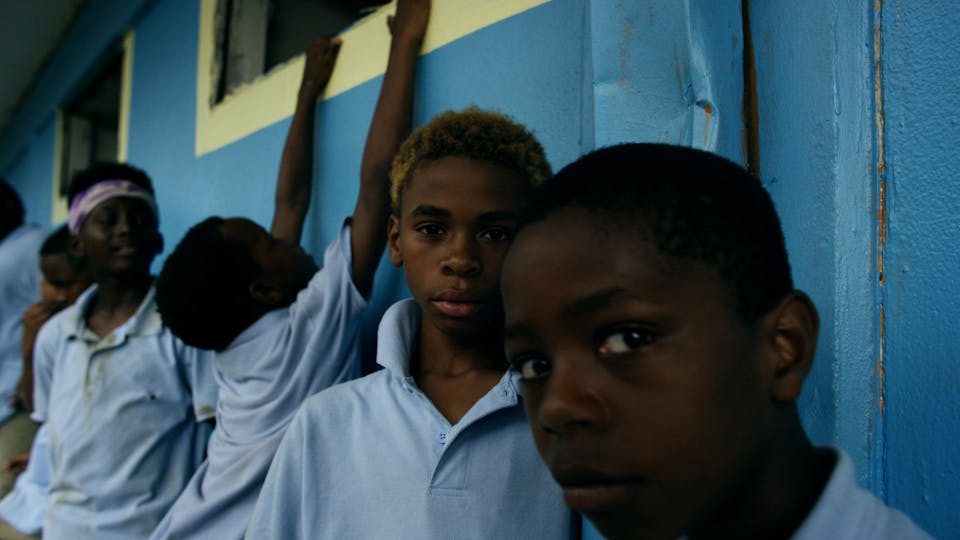
[Photos: (Top) Aurora Guerrero; still from Mosquita y Mari]