TAA @ 10: Maryam Keshavarz on Non-Profits
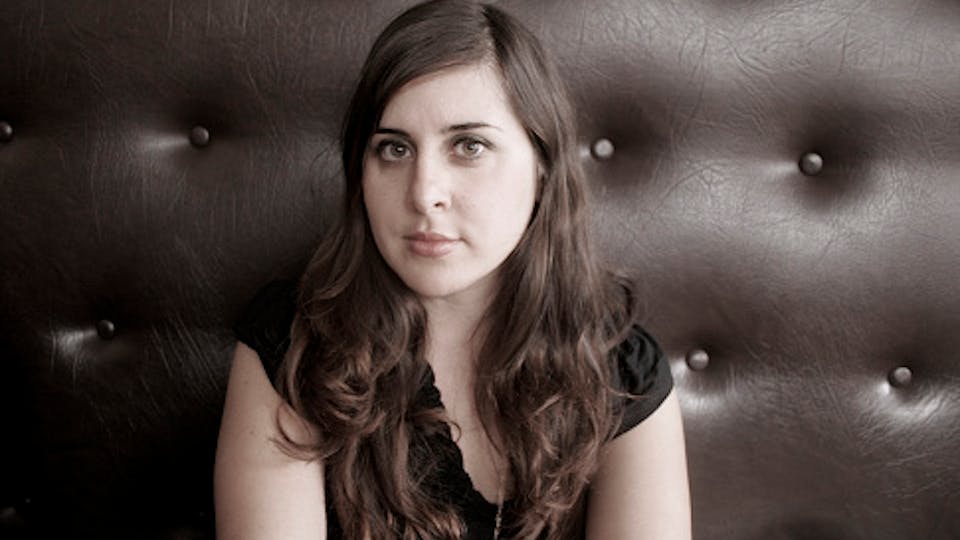
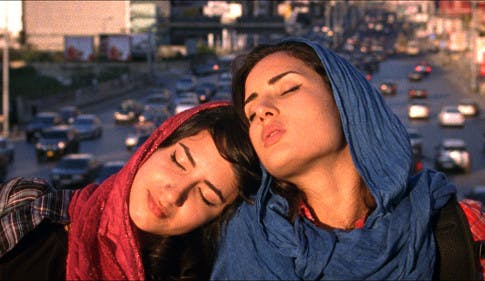
For this week’s Tribeca All Access® 10th anniversary alumni interview, we speak with Maryam Keshavarz about how the support of non-profits have sparked her film career. Circumstance, Keshavarz’s daring first feature (which was a 2006 TAA grantee), is about the explorations of two rebellious teenage girls set in Iran. It is a credit to Keshavarz’s sheer tenaciously researched approach that fifty percent of her budget was through non-profit grants and donations/deferments. This project has won her entrance to not only TAA but Cinereach, Film Independent and Sundance Institute’s labs for writing and directing. The film won the Audience Award at 2011 Sundance and nominated for Independent Spirit Awards. Circumstance is now available on DVD, Netflix, On Demand and iTunes.
Non-profit organizations have been a major source of supporting and funding Circumstance. What has been an advantage to funding this way? We have been so lucky with the generous support we received both from non-profits and vendors making deferments or donations. Well, the greatest advantage is artistic freedom. The less a project is beholden to investors and the marketplace, the more a director can make the film they imagine. I think this is really important for first-time directors because the films tend to be personal and are ideas trapped in the head of the director, the freedom to articulate that freely is important. Of course, within the realities of the budget. What role has TAA played in the making of your first feature? TFI was the first institution to support the very first draft of Circumstance. I had premiered my short film (The Day I Died) to great success in the Berlin Film Festival 2006, and had decided to move back to Iran to work on rewriting the screenplay for Circumstance that I had started as my MFA at NYU. Actually, I was shocked when I received an email from TAA requesting an interview for the application. I had almost forgotten about the application because I thought there was no way I would get it. I remember being on the phone in my great aunt’s back yard in Shiraz—hoping my phone card wouldn’t finish before I was speaking to Beth Janson (she was running TAA back then). Speaking to Beth, et al, and hearing that an American reader connected with the "foreign story" was a big turning point for me. Until that point I had thought that the film would only appeal to the Middle East and Europe, and the fact that an American institution connected with the material really opened my eyes. I did a lot of Internet searches for grants. I was driven to make this film in any way possible. I would plug in a whole variety of key words—get creative. I also watched a lot of independent and foreign films and looked at who was thanked at the beginning and end of the film—I would play close attention to all credits and research who they were. I would also read as many interviews with the directors and producers I could find, attend Q&A’s in NYC and in the festival circuit, and find out how people had made their films. Also, once I went to TAA, I was meeting a lot of folks. Later, when I went to FIND’s producers lab and Sundance labs I found out about a bunch of new grants at the time like Cinereach and San Francisco Film Society. So I kind of compiled a list that way. I had also had a film at Berlin in 2006, and I took that opportunity to research all the companies that had features in the festival. I made a short list of companies I wanted reach out to. When I won some awards at the festival, meeting those companies became even easier. I met with them to see if they showed interest in producing Circumstance but mostly to see what European grants and funds the film might qualify for. So, lots of research, and lots of meeting folks and asking targeted questions because people have limited time and they like to know that you did your research. Yes, as an indie filmmaker you need to know as much as possible. You need to build your community. It’s a small world and you never know how things are connected. I had applied for this major grant and had made it to the final round – but was ultimately rejected. One of the women on that selection committee that had advocated for my work ended up being the head of a lab (years later) that I recently applied to in Mexico. She had remembered my earlier work so I got into the lab in Mexico. So it’s all about understanding what is available out there for filmmakers, building your reputation and work, and building your community and networks. It’s hard to take rejection, but there are so many factors that go into deciding who gets into a program (I know, I was recently on a selection committee). Try to get feedback, learn from the experience, and you just have to keep going.
Can you give any tips to emerging filmmakers to make themselves and their work stand out? The first tip I give people that want to be filmmakers is try to be in as little debt as possible. The less debt you have from film school, etc., the greater freedom you have to work for long stretches of time with minimal compensation. That being said, I think first films are usually personal—and I don’t mean autobiographical—but something that has deep personal resonance. It’s important to understand what that is, and why it’s important to you, and why it might be important to an audience. This sort of clarity—often done initially in the form of a director’s personal statement but of course constantly developing and changing—helps you talk about your film and get other people engaged with the ideas behind the film, and hopefully get them excited to be involved. I think it’s also important to take risks. Of course, the craft of writing and filmmaking is important, but that doesn’t mean it has to fit in a pre-existing mold. Let your imagination go. Take risks. Be weird. This is the time to express yourself anyway you want and there is no expectations as it’s your first feature. A lot. We couldn’t shoot in Iran, not the way I imagined the film—the very naturalistic home life where people wear western clothes, and don’t cover their hair would be impossible and the party and sexual and fantasy scenes would definitely be IMPOSSIBLE to shoot in Iran. So we shot in Lebanon instead which had it’s own difficulties from submitting a fake script to the censors, to military on our set, and having to physically smuggle out the containers of the film out of the country. To say the least the production was challenging and stressful in ways most films aren’t. I think the producers and I had grey hairs and ulcers by the end of it, but we somehow kept it together and made it happen. I was very lucky I had the best cast, crew, and producers in the world, who all risked so much to make this movie with me. Were women living in Iran a target audience for Circumstance? What do you hope to bring to the dialogue with American audiences? I had both Iranian and foreign audiences in mind. I am Iranian, but have spent much of my life in the USA, so I write to the part of me that is both Iranian and American. As a woman, I write from my perspective, maybe that makes it more appealing to women, I’m not sure. It’s been an incredible experience. To see how the film is marketed differently for different theatrical releases. I especially love the audiences and the Q&A’s and fights that sometimes break out. The conversation is always very lively, and that’s what I love about cinema: it can provoke. I don’t care that not everyone likes the film, but I do like that it often elicits a strong response. What I find most touching is the different sort of people that connect with the film: when a man from Czech Republic says it’s like what he experienced as a child; or a German woman says the father was like her father; or when a Lebanese woman tells me her life is the experience of [main character] Atafeh; the film’s ability to connect with people across gender and national boundaries, it’s amazing. And of course, the number of queer people from the Middle East that feel like that their stories are being told for the first time. I have literally had people come up after the film crying hysterically—really relating to the girls. It’s humbling. I learned so much about storytelling, collaborations, and keeping focused in times of great turmoil—but mostly I feel like I am getting my wings as a director and how I want to direct. Of course, I continue to seek support of non-profits for the development of my next projects. Support in the scriptwriting stages has allowed me to keep my voice independent, which is something that is important to me at this point in my career. I am working on a few projects. I am working on a psychological drama about political persecution in America—a film that is adapted from an award-winning documentary. I have had the great fortune of the producer bringing funding for that project’s development. I am also in the rewrites for a political drama focusing on the rise of one young girl in 19th century Iran called The Last Harem. Both of those are hoping to shoot in late 2013, early 2014. But in the nearer future, I am working on a small personal drama, to be shot in New York in 2013, dealing with my favorite subjects: sexuality, families, and music.
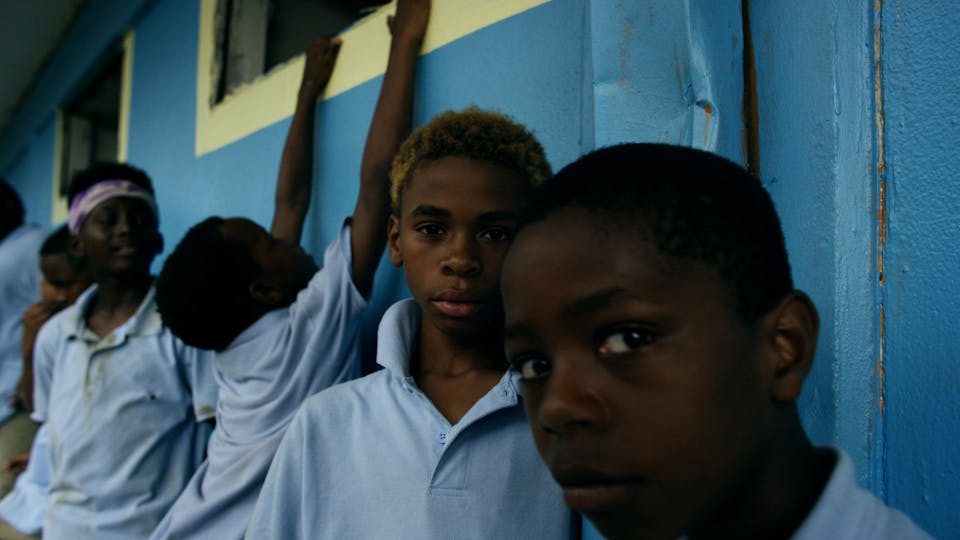
[Photos: (Top to bottom) Maryam Keshavarz, image from Circumstance]